
You can help!
Amazon Wish List

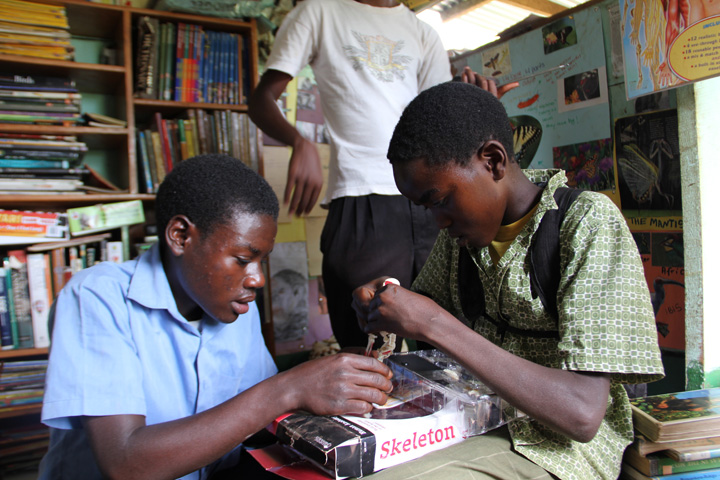
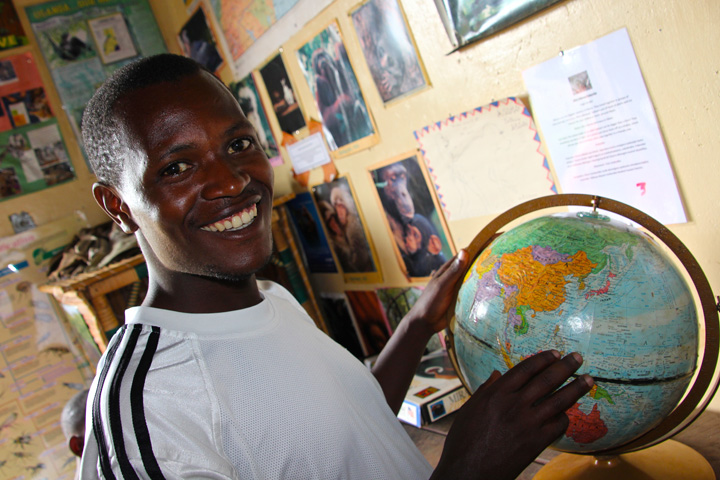
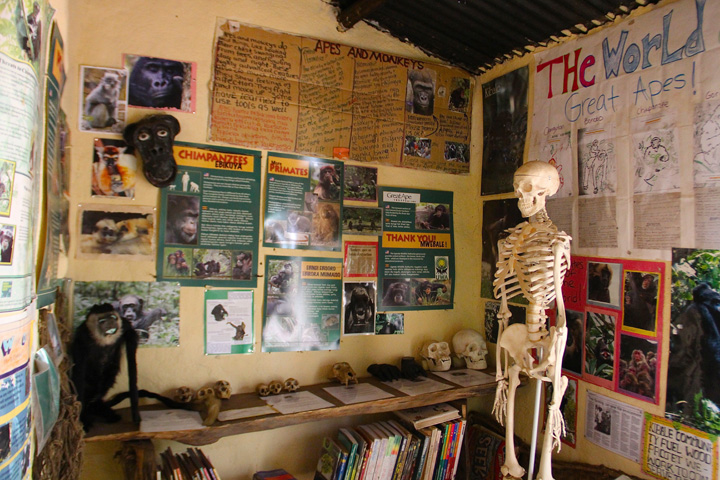
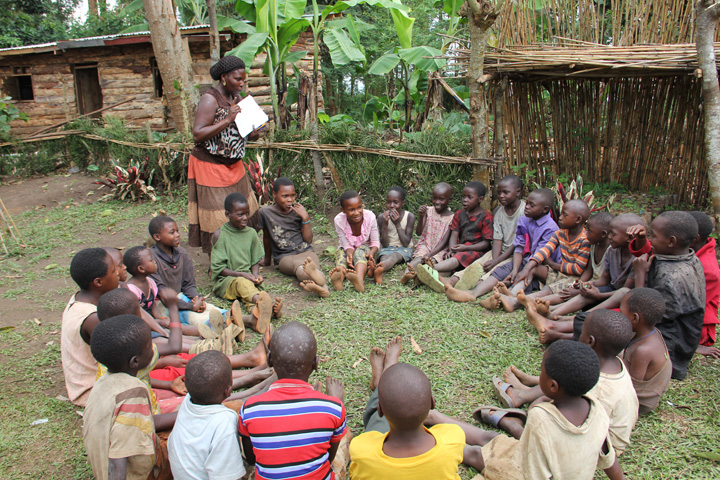
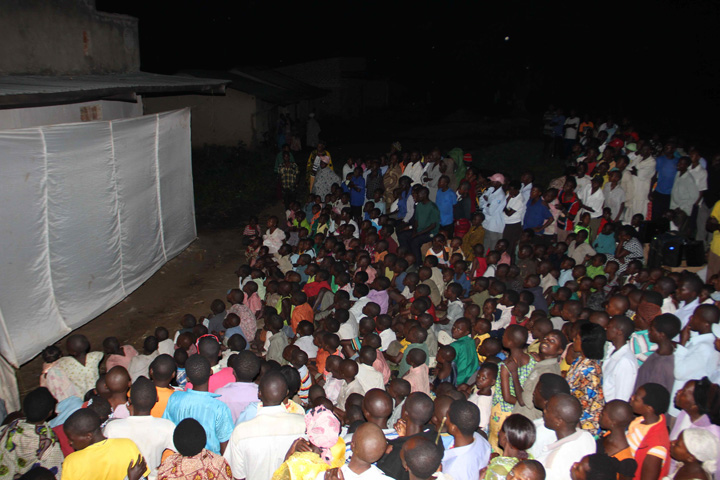
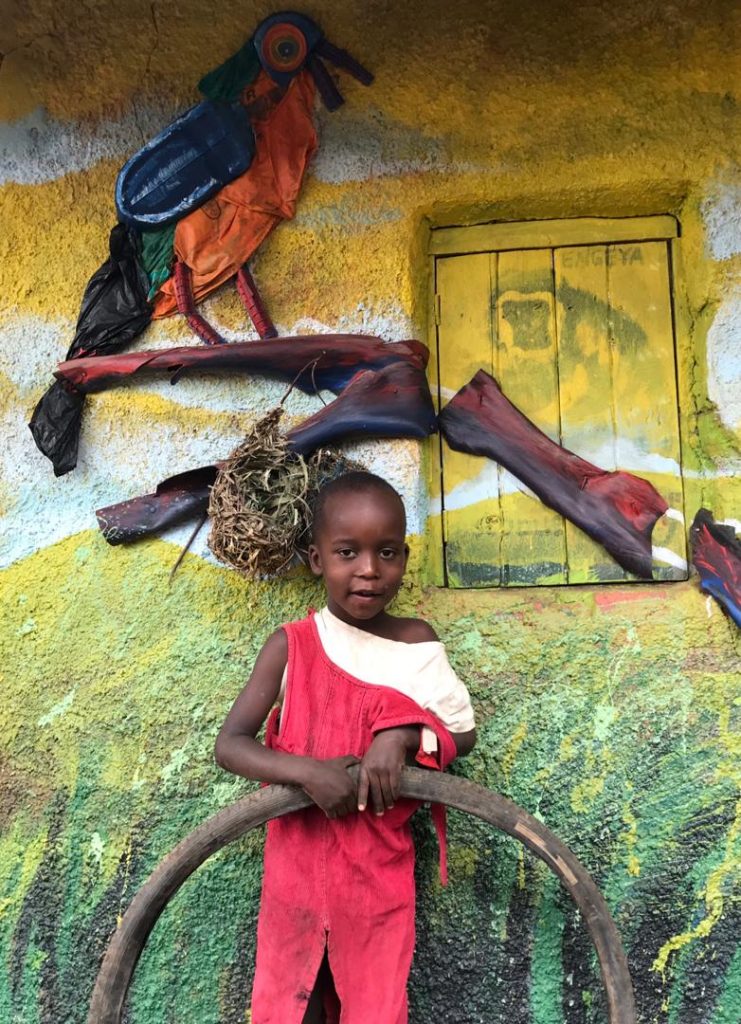
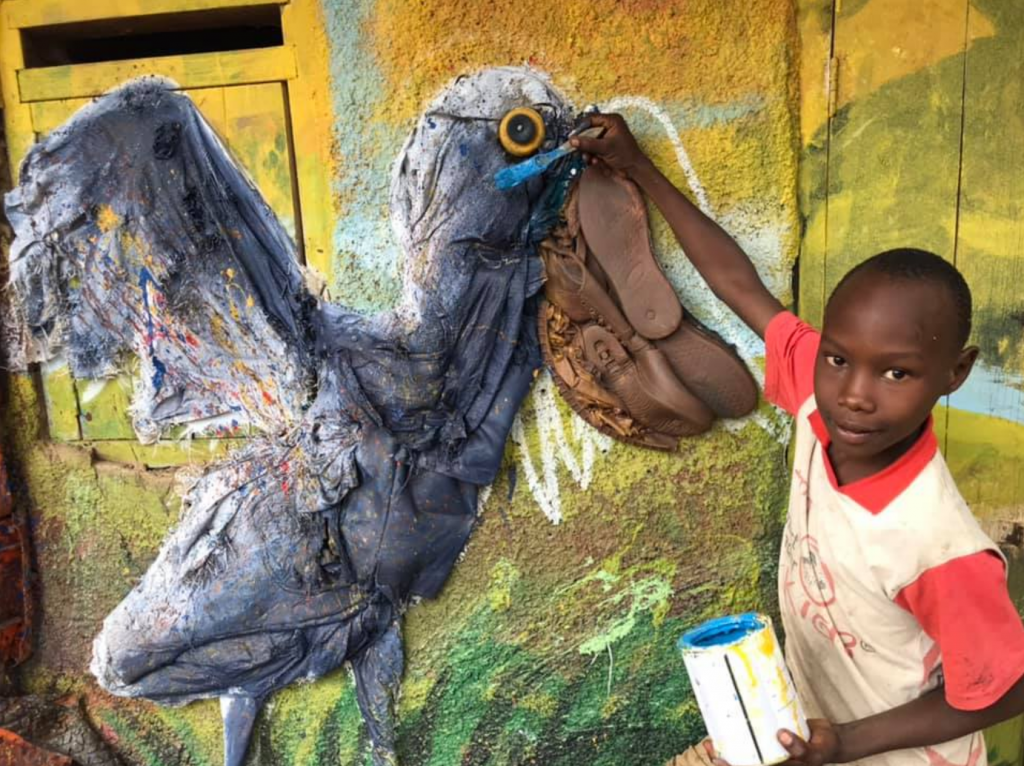
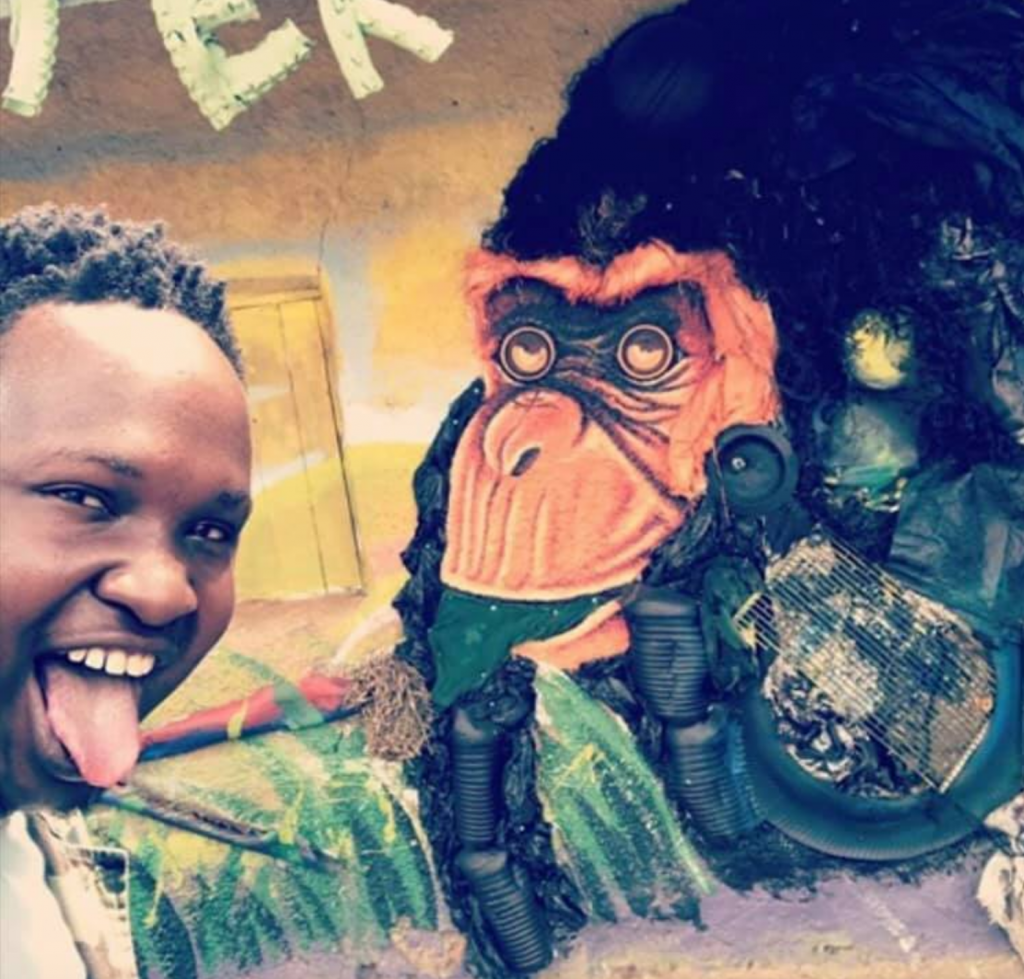
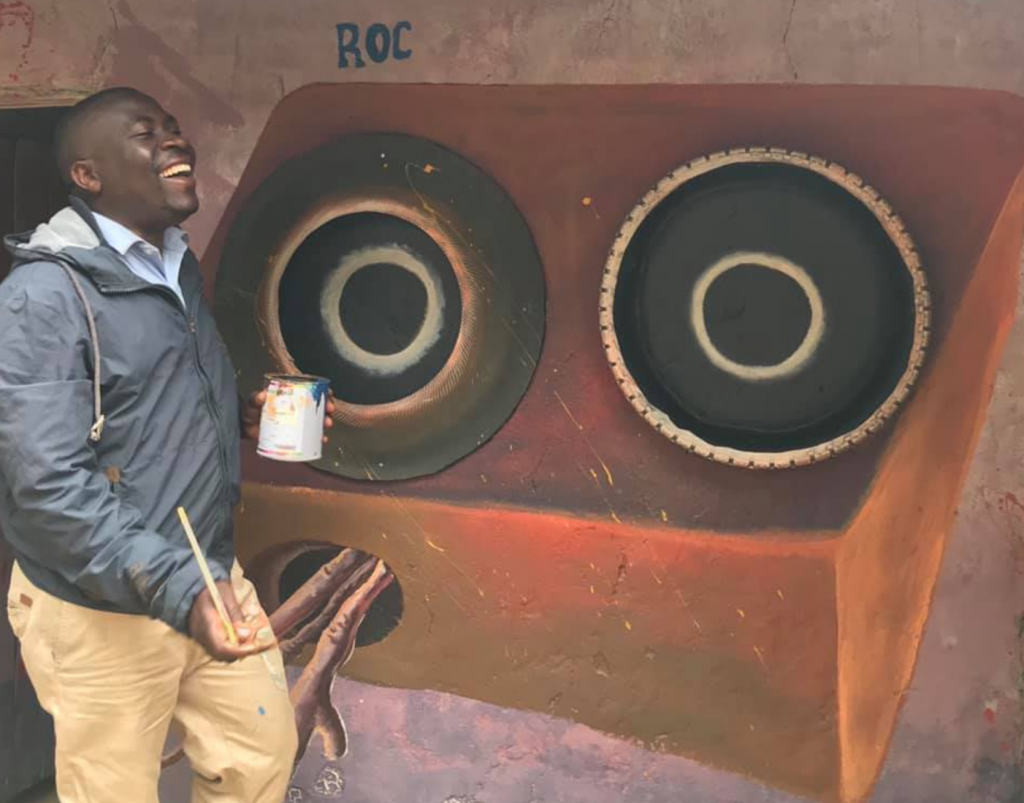
The first of their kind in Uganda, NNF’s Science Centers are natural history museums, libraries, meeting places and demonstration areas. They include animal skulls, skeletons and skins, insect specimens, confiscated poacher’s items, books, educational graphics, and local art and cultural objects. The Science Centers are open free to the public on weekends and during school holidays, and the staff is comprised of local community members and student interns. Most of the items on our Amazon Wish List will be utilized in the Science Centers.
See all five Science Centers on Google Maps here and the newest Community Nature Center here.
Hear the latest Science Center ads from Voice of Tooro radio below:
NNF’s world famous Conservation Competitions are held in six locations yearly. The Ultimate Recycled Fashion Show, highly competitive singing & dancing and efficient bean cook-off are highlights of the day-long events.
Through stove workshops, hands-on field trainings ad joyful Earth Day celebrations, NNF works side by side with community members, honoring local knowledge, celebrating tradtiion and deepening the bonds between people, wildlife and the wild places they call home.
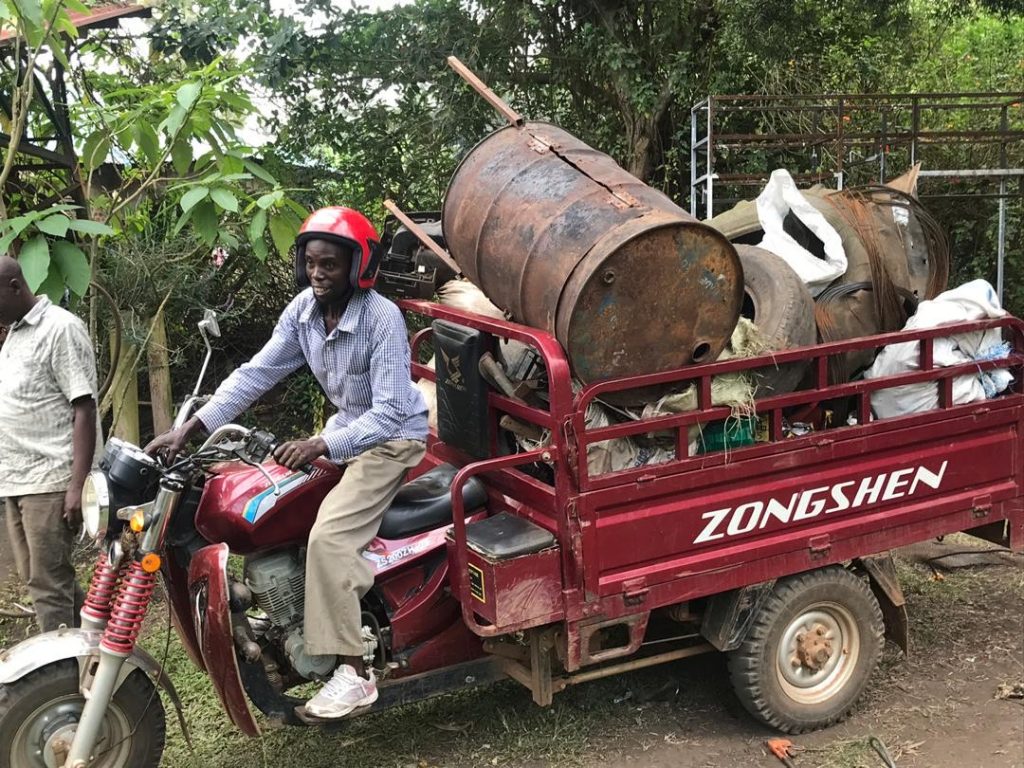
A program focused on recycling and supporting a future where zero waste can be a reality around Fort Portal and villages close to Kibale & Queen Elizabeth National Parks.
NNF is:
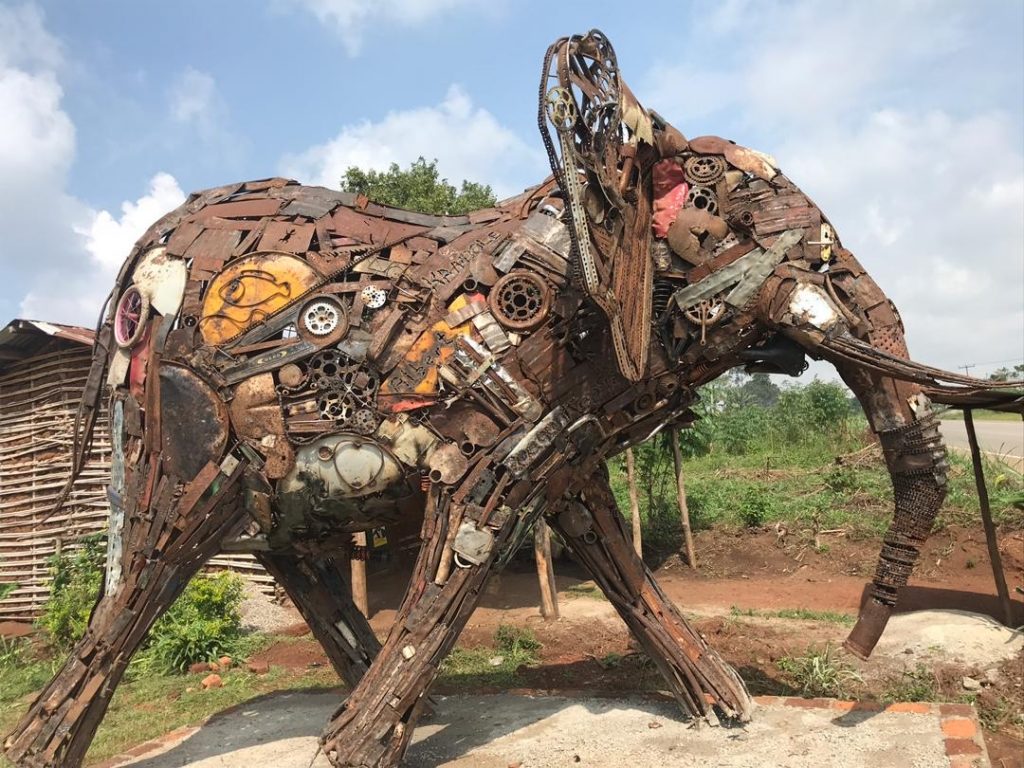
- Working with Ugandan artists in the mediums of waste plastics and metals to create innovative art installations, furniture, crafts and utilitarian items.
- Providing places and opportunities for learning about recycling and motivating young people to influence their families and communities to use eco-friendly alternatives.
- Collaborating with local women’s groups to create alternatives to single-use items that can be sold at a subsidized rate.
- Partnering with local leaders to help impact an overall reduction in consumption of materials and their disposal, in hopes that in the future the program can develop and have a much larger impact.
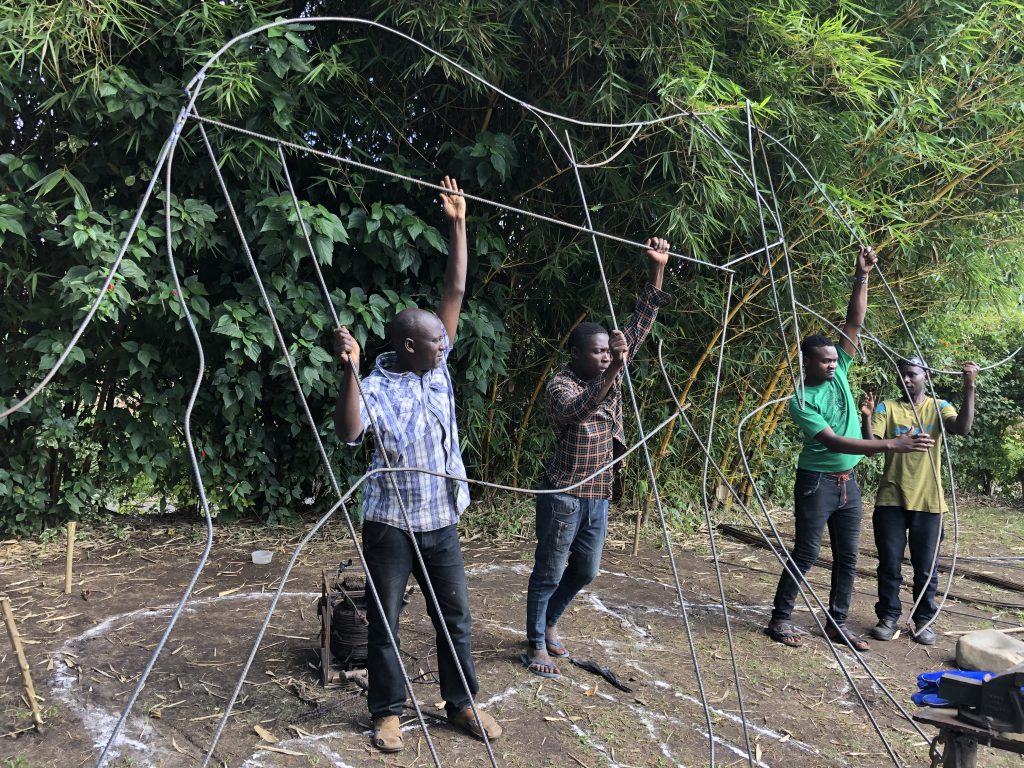
The first installation is a lifesized elephant made from waste collected in and around Fort Portal (see it on Google maps here), the second is a lion in QENP. By creating something beautiful that reminds people about the endangered wildlife that makes Uganda special, we aim to initiate thoughts about how waste impacts these animals.
By 2021, all five Science Centers had recycled murals and some include recycled outdoor play areas.